
Cement Mix Design Tips Every Contractor Should Know
16.12.2025
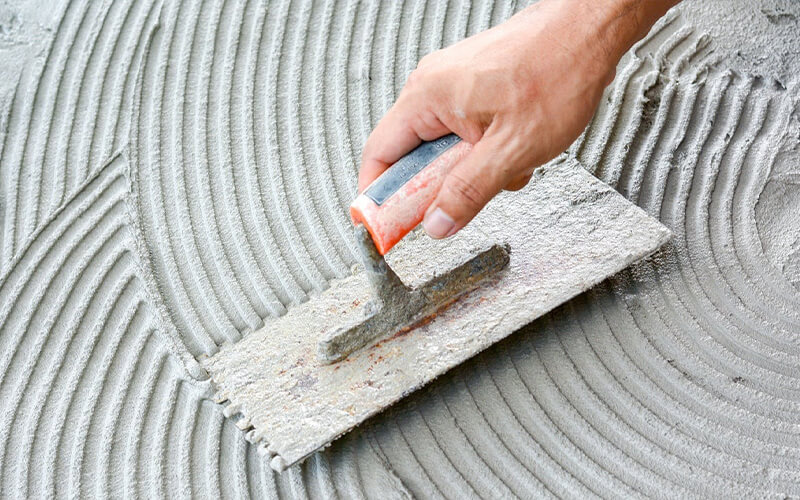
Cement mix design is one of the most critical factors influencing the quality, durability, and performance of concrete on construction sites. For contractors, understanding the fundamentals of mix design is not just a technical necessity but a practical skill that directly affects project timelines, costs, and structural reliability. A well-designed cement mix ensures consistent strength, workability, and long-term performance across all types of construction projects.
Many on-site concrete issues such as cracking, low strength, segregation, or poor finish quality can be traced back to improper mix design rather than workmanship alone. By applying proven cement mix design principles, contractors can reduce rework, minimize waste, and deliver structures that meet both technical specifications and client expectations.
Understand the Purpose of the Concrete
Every concrete mix should be designed based on its intended application. Structural elements such as columns, beams, and foundations require different performance characteristics compared to slabs, pavements, or non-structural components. Contractors should always start by understanding the role the concrete will play within the structure.
Load requirements, exposure conditions, and service life expectations all influence mix design decisions. Designing a mix without considering its final use often leads to overdesign or underperformance, both of which can negatively impact project efficiency.
Balance Strength and Workability
One of the most common challenges in cement mix design is achieving the right balance between strength and workability. High-strength concrete is often less workable, while highly workable mixes may sacrifice strength if not properly designed.
Contractors should avoid the temptation to add excess water to improve workability, as this weakens concrete and increases shrinkage and cracking risks. Proper mix proportions and controlled water content are essential for achieving both strength and ease of placement.
Control the Water-to-Cement Ratio
The water-to-cement ratio is one of the most influential factors in concrete performance. Lower ratios generally produce stronger, more durable concrete, while higher ratios increase permeability and reduce strength.
Maintaining a consistent water-to-cement ratio across batches ensures uniform performance. Careful measurement and on-site discipline are critical, especially on large job sites where small variations can lead to significant quality differences.
Select the Right Cement Quality
Cement quality directly affects hydration behavior, strength development, and durability. Using consistent, high-quality cement allows contractors to achieve predictable results and reduces the need for frequent mix adjustments.
Reliable cement supports optimized mix designs by delivering stable performance across different pours. Consistency in cement supply simplifies quality control and improves confidence in final concrete outcomes.
Optimize Aggregate Selection and Grading
Aggregates make up the largest portion of concrete by volume, and their characteristics significantly influence mix performance. Proper grading ensures that aggregates fit together efficiently, reducing voids and lowering cement demand.
Well-graded aggregates improve workability, reduce segregation, and contribute to higher strength. Contractors should ensure that aggregate size and distribution are appropriate for the type of concrete being produced and the placement method used.
Adjust Mix Design for Environmental Conditions
Environmental factors such as temperature, humidity, and wind can affect concrete behavior during mixing, placement, and curing. Mix designs should be adjusted to account for these conditions to maintain performance consistency.
In hot weather, rapid moisture loss can lead to early-age cracking, while cold conditions may slow strength development. Anticipating these factors during mix design helps contractors avoid delays and quality issues.
Ensure Proper Mixing and Batching Accuracy
Even the best mix design can fail if batching and mixing are not performed accurately. Precise measurement of cement, aggregates, and water is essential for achieving the intended concrete properties.
Inconsistent batching leads to variable strength, workability issues, and surface defects. Contractors should prioritize calibrated equipment and standardized procedures to maintain mix integrity.
Test and Verify Mix Performance Regularly
Regular testing is a vital part of effective cement mix design. Slump tests, strength tests, and visual inspections help verify that the mix performs as expected under real site conditions.
Testing allows contractors to identify issues early and make adjustments before problems escalate. Ongoing verification ensures that the mix remains suitable throughout the project lifecycle.
Plan for Proper Curing From the Start
Mix design and curing practices are closely linked. Even a well-designed mix can underperform if curing is inadequate. Contractors should consider curing requirements when designing and placing concrete.
Maintaining adequate moisture and temperature during curing supports proper hydration and strength development. Planning for curing in advance helps protect the investment made in high-quality mix design.
Avoid Overdesign to Reduce Costs
While safety margins are important, overdesigning cement mixes can unnecessarily increase costs. Excess cement content raises material expenses and may contribute to shrinkage-related cracking.
Efficient mix design achieves required performance with optimized material use. Contractors who understand mix fundamentals can deliver durable concrete without excessive cost.
Coordinate Mix Design With Construction Workflow
Concrete mix design should align with construction methods, placement techniques, and project scheduling. Pumped concrete, large pours, and complex formwork all impose specific demands on mix performance.
Designing mixes that suit on-site workflows improves productivity and reduces placement challenges. Coordination between planning and execution teams is essential for smooth operations.
Long-Term Benefits of Proper Mix Design
Effective cement mix design contributes to long-term structural performance, reduced maintenance needs, and improved durability. Structures built with well-designed mixes are more resistant to cracking, environmental exposure, and wear.
For contractors, mastering mix design principles enhances reputation, client satisfaction, and project profitability. Quality concrete is not achieved by chance but through informed design and disciplined execution.
Conclusion: Mix Design as a Core Contractor Skill
Cement mix design is a foundational skill that every contractor should understand and apply consistently. From controlling water content to selecting quality materials and adapting to site conditions, each decision influences final concrete performance.
By following proven mix design tips and maintaining strict quality control, contractors can avoid common pitfalls and deliver reliable results. Strong mix design practices turn concrete from a potential risk into a dependable asset on every construction project.