
Cement Selection Criteria for High-Performance Concrete
24.03.2026
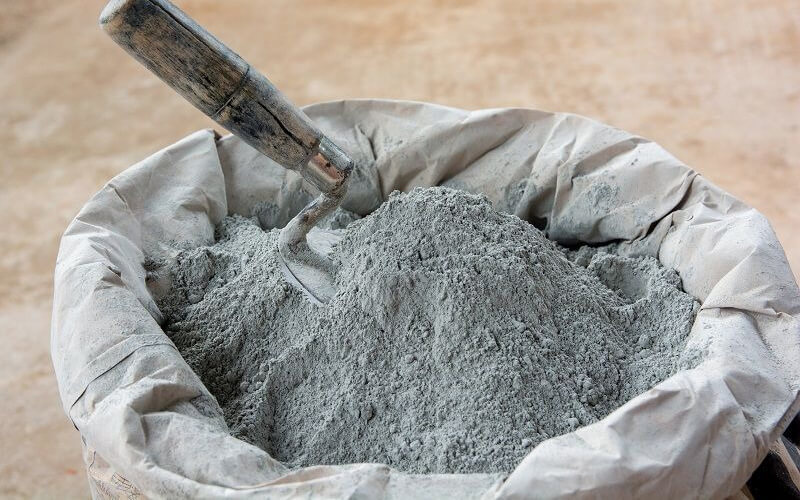
High-performance concrete (HPC) is designed to meet advanced requirements such as high strength, durability, low permeability, and resistance to aggressive environmental conditions. It is widely used in infrastructure, high-rise buildings, industrial facilities, and specialized engineering projects where standard concrete may not be sufficient. One of the most critical factors in achieving high-performance concrete is selecting the right cement.
Cement selection for HPC goes beyond basic strength considerations. It involves evaluating multiple performance characteristics, including consistency, hydration behavior, compatibility with admixtures, and long-term durability. Making the right choice ensures that concrete meets both immediate construction needs and long-term performance expectations.
Strength Requirements and Performance Targets
The primary criterion for selecting cement in high-performance concrete is its ability to support the desired strength levels. HPC often requires higher compressive strength than conventional concrete, making cement performance a key factor.
Cement must consistently achieve both early and long-term strength targets. Reliable cement ensures that structural elements perform as designed under heavy loads and demanding conditions.
Consistency and Quality Control
Consistency is essential in high-performance applications where even minor variations can affect concrete behavior. Cement must be produced under strict quality control to ensure uniform composition and predictable performance.
Inconsistent cement can lead to variations in strength, workability, and durability. Maintaining consistent quality simplifies mix design and ensures reliable results across all batches.
Low Permeability and Durability Performance
Durability is a defining characteristic of high-performance concrete. Cement selection must support the creation of dense, low-permeability concrete that resists water and chemical penetration.
Low permeability protects reinforcement from corrosion and reduces the risk of long-term deterioration. This is especially important in structures exposed to aggressive environments such as marine or industrial settings.
Hydration Behavior and Heat Control
Hydration behavior influences both strength development and thermal performance. In high-performance concrete, controlled hydration is essential to avoid excessive heat generation, which can lead to thermal cracking.
Cement should provide a balanced hydration rate that supports strength gain without causing internal stress. This is particularly important in large structural elements and mass concrete applications.
Compatibility With Admixtures
High-performance concrete often relies on chemical admixtures to achieve specific properties such as improved workability, reduced water content, or enhanced durability. Cement must be compatible with these admixtures to ensure effective performance.
Incompatible combinations can lead to issues such as delayed setting, reduced strength, or inconsistent workability. Proper compatibility ensures that all components work together to achieve the desired performance.
Workability and Placement Efficiency
Workability is critical for placing and finishing high-performance concrete, especially in complex structures. Cement selection influences the ease of mixing, pumping, and compaction.
Cement that supports good workability allows for efficient placement without compromising strength. This reduces the risk of defects such as voids or segregation, which can affect performance.
Resistance to Cracking and Shrinkage
Cracking can compromise both strength and durability in high-performance concrete. Cement selection plays a key role in controlling shrinkage and reducing the risk of crack formation.
Balanced cement composition and controlled hydration help minimize internal stresses. This contributes to improved structural integrity and long-term reliability.
Environmental and Exposure Considerations
High-performance concrete is often used in environments with extreme conditions. Cement must be selected based on exposure factors such as temperature changes, chemical attack, and moisture levels.
Choosing cement that can withstand these conditions ensures that the structure maintains its performance over time. This reduces maintenance needs and enhances safety.
Long-Term Strength Development
While early strength is important for construction progress, long-term strength is critical for sustained performance. Cement should support continuous strength gain to maintain structural stability over time.
High-performance concrete benefits from cement that delivers both early and long-term strength. This balance ensures reliability throughout the structure’s lifecycle.
Testing and Certification Standards
Cement used in high-performance concrete must meet established standards and undergo rigorous testing. Certification ensures that the material performs as required under controlled conditions.
Using tested and certified cement reduces uncertainty and supports compliance with engineering specifications. This is essential for achieving consistent and reliable results.
Lifecycle Cost and Value
Although high-performance cement may have a higher initial cost, it often results in lower lifecycle expenses. Improved durability and reduced maintenance needs provide long-term economic benefits.
Investing in the right cement ensures that structures remain functional and safe for extended periods, maximizing return on investment.
Conclusion: Strategic Cement Selection for High Performance
Cement selection is a critical factor in achieving high-performance concrete. By considering strength, durability, consistency, compatibility, and environmental conditions, construction professionals can design concrete that meets demanding requirements.
Choosing the right cement not only enhances performance but also ensures long-term reliability and cost efficiency. In high-performance construction, cement is more than a material—it is a key driver of success.