
Cement Testing Methods That Improve Structural Safety
07.04.2026
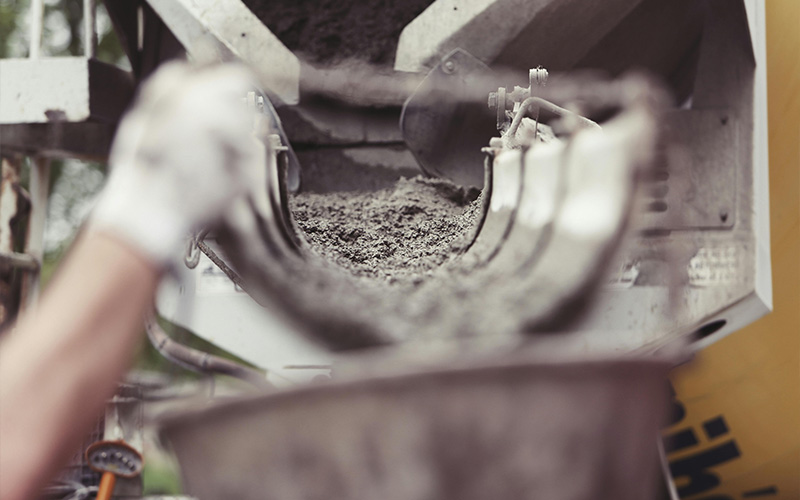
Structural safety is the cornerstone of every construction project, ensuring that buildings and infrastructure can withstand loads, environmental conditions, and long-term use without failure. While design and engineering calculations play a critical role, the reliability of materials—especially cement—has a direct impact on safety. Cement testing methods are essential tools that verify whether cement meets required standards before it is used in structural applications.
These testing methods help identify potential issues such as low strength, improper setting behavior, or chemical instability. By detecting problems early, cement testing prevents defects, reduces risks, and ensures that concrete performs as expected. For engineers and contractors, understanding and applying proper cement testing methods is a key step toward achieving safe and durable structures.
Compressive Strength Testing
Compressive strength testing is one of the most important methods for evaluating cement performance. It measures the ability of cement to contribute to the strength of concrete under load.
Samples are prepared and tested at specific intervals to determine strength development. High-quality cement that meets strength requirements ensures that structural elements can safely carry design loads.
Fineness Testing
Fineness testing determines the particle size of cement, which influences hydration rate, workability, and strength development. Finer cement particles react more quickly with water, affecting early-age performance.
Testing fineness helps ensure consistent behavior in mixing and placement. Proper fineness contributes to uniform concrete quality and improved structural safety.
Setting Time Testing
Setting time testing evaluates how long cement takes to begin and complete the hardening process. This is critical for construction planning and safe placement of concrete.
Proper setting time ensures that concrete can be placed and compacted effectively without premature hardening. It also prevents delays and reduces the risk of weak bonding or structural defects.
Soundness Testing
Soundness testing assesses the ability of cement to maintain its volume after setting without excessive expansion. Unsound cement can cause cracking, distortion, and long-term structural issues.
This test ensures that cement remains stable after hydration, preventing internal stresses that could compromise structural integrity and safety.
Consistency Testing
Consistency testing determines the amount of water required to achieve a standard cement paste. This is important for ensuring proper hydration and workability.
Accurate consistency helps maintain uniform mix design and prevents issues such as excessive water use, which can weaken concrete and reduce durability.
Chemical Composition Analysis
Chemical testing evaluates the composition of cement to ensure it meets required standards. This includes checking for compounds that influence strength, durability, and resistance to environmental factors.
Proper chemical composition ensures predictable hydration and reduces the risk of harmful reactions that could weaken concrete over time.
Heat of Hydration Testing
Heat of hydration testing measures the amount of heat generated during the chemical reaction between cement and water. Excessive heat can lead to thermal cracking, especially in large structural elements.
Understanding hydration heat helps engineers select appropriate cement for specific applications, reducing the risk of internal stress and structural damage.
Bulk Density Testing
Bulk density testing determines the mass of cement per unit volume, which affects batching accuracy and mix proportions. Accurate density measurements ensure consistent concrete production.
Proper batching contributes to uniform strength and performance, enhancing overall structural safety.
Loss on Ignition Testing
This test measures the amount of weight lost when cement is heated, indicating the presence of moisture or organic materials. High loss on ignition values may signal poor storage or contamination.
Identifying such issues ensures that only suitable cement is used in construction, reducing the risk of defects and performance problems.
Specific Gravity Testing
Specific gravity testing determines the relative density of cement compared to water. This value is used in mix design calculations to ensure accurate proportions.
Accurate mix design contributes to consistent strength and durability, supporting safe structural performance.
Field Testing and On-Site Verification
In addition to laboratory tests, field testing plays an important role in verifying cement performance under real construction conditions. On-site checks help ensure that materials behave as expected during mixing and placement.
Field verification allows for immediate adjustments if issues are detected, reducing the risk of defects and ensuring consistent quality.
Conclusion: Testing as a Foundation for Structural Safety
Cement testing methods are essential for ensuring structural safety in construction projects. They provide critical information about strength, stability, and performance, allowing engineers and contractors to make informed decisions.
By applying comprehensive testing procedures and maintaining strict quality control, construction professionals can reduce risks, prevent defects, and deliver safe, durable structures. Cement testing is not just a technical step—it is a vital foundation for structural reliability and long-term success.